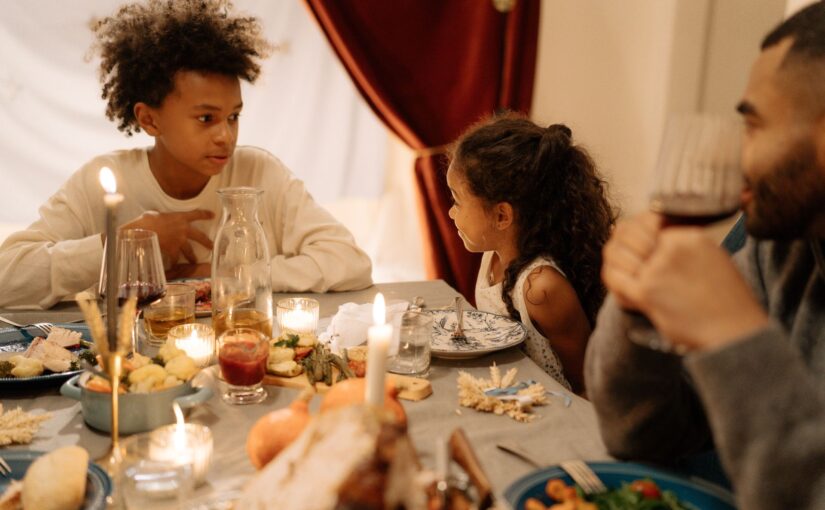
Thanksgiving is the perfect time to teach little ones what it means to be thankful. Gratitude is a big idea for small children, but toddlers and preschoolers can start to understand it through simple, hands-on activities that fit into everyday family life.
At Precious Time Child Development Center, we believe that kindness, empathy and appreciation are skills children learn by practicing them, just like counting or sharing. Here are some easy gratitude activities you can try at home this Thanksgiving season.
Why Gratitude Matters in Early Childhood
When young children practice noticing the good things around them, they are also building emotional skills: recognizing feelings, thinking about others and expressing themselves with words. These are the same social and emotional skills that help children make friends and feel confident in a group.
If you’d like to learn more about how these skills grow, our post on why social skills matter in early childhood is a great place to start.
Parent Tip: Toddlers won’t fully understand the word “grateful” yet, and that’s okay. Start with simpler phrases like “I’m happy we have…” or “Thank you for…”
1. Make a Thankful Tree
Cut a simple tree trunk out of brown paper and tape it to a wall or door. Each day leading up to Thanksgiving, help your child add a paper leaf with something they are thankful for.
- Toddlers (ages 1–2): Let them choose a sticker or color the leaf while you write down a favorite person, pet or toy.
- Preschoolers (ages 3–4): Ask, “What made you happy today?” and write their answer word for word.
- Pre-K (ages 4–5): Encourage them to trace or write a few letters themselves.
By Thanksgiving Day, you’ll have a colorful family keepsake to look back on.
2. Start a “Thankful Jar” at the Dinner Table
Place a jar and small slips of paper near the table. Before dinner, each family member shares one thing they are thankful for, and a grown-up writes it down and adds it to the jar.
This simple routine gives children a predictable moment to practice sharing their thoughts. On Thanksgiving Day, read the notes out loud together.
3. Read Books About Thankfulness
Storytime is one of the easiest ways to introduce new ideas. Choose picture books about family, sharing, kindness or the fall harvest, then ask simple questions as you read:
- “How do you think that character feels?”
- “What could we say to say thank you?”
- “Who helps you every day?”
Your local library is a great free resource for seasonal books. Families in our area can borrow plenty of fall and Thanksgiving picture books from Chesterfield County Public Library.
4. Invite Kids to Help in the Kitchen
Children feel proud when they get to help with “grown-up” jobs. Thanksgiving prep is full of safe, age-appropriate tasks:
- Washing vegetables
- Stirring cold ingredients
- Tearing lettuce or bread for stuffing
- Placing napkins and unbreakable plates on the table
Keep little hands away from hot stoves, sharp knives and raw meat. The USDA shares helpful Thanksgiving food safety tips for families cooking a holiday meal.
Helping in the kitchen also builds the kind of independence we talk about in How to Help Your Child Build Confidence and Independence at Every Age.
5. Make Thank-You Cards for Special People
Grab paper, crayons, stickers and child-safe glue, and help your child create cards for grandparents, neighbors, teachers or community helpers like firefighters and mail carriers.
Preschoolers can dictate a short message (“Thank you for reading me stories!”), while toddlers can scribble, stamp or add handprints. Delivering the card in person is a wonderful lesson in how good it feels to make someone else smile.
6. Go on a Gratitude Nature Walk
Bundle up and take a slow walk around your neighborhood or a local park. Ask your child to point out things they love: crunchy leaves, birds, a favorite tree or a friendly dog.
Collect a few leaves or pinecones and use them for a Thanksgiving centerpiece. Looking for more seasonal ideas? Check out our list of fall activities for toddlers and preschoolers in Richmond, VA.
7. Model Gratitude Every Day
Children learn the most from watching the adults around them. When you say “thank you” to a cashier, tell your partner you appreciate them or say out loud, “I’m so thankful we got to play outside today,” your child notices.
Gratitude doesn’t need to be a big lesson. Small, everyday moments add up.
Frequently Asked Questions
How do you teach gratitude to a toddler?
Keep it simple and hands-on. Name things you’re thankful for out loud, make a thankful tree or thankful jar together, and let your child help with small jobs like setting the table. Toddlers learn gratitude mostly by watching the adults around them.
What are easy Thanksgiving activities for preschoolers?
Good options include a paper thankful tree, thank-you cards for family or teachers, a gratitude nature walk to collect leaves, reading books about thankfulness, and helping in the kitchen with simple tasks like stirring or washing vegetables.
At what age can children understand gratitude?
Children start learning the idea of saying thank you as toddlers, and by the preschool years most can begin naming things they’re thankful for. Practicing it every day helps it grow into a real habit.
Gratitude at Precious Time
Learning to care for others is part of growing up in a caring community. Our teachers help children practice kindness, sharing and respect every day through play, group activities and our curriculum.
If you’re looking for childcare in Richmond or Chesterfield County, we’d love to show you around. Explore our programs or contact us to schedule a tour.
From all of us at Precious Time, Happy Thanksgiving!